Yoga is often synonymous with impressive postures and gravity-defying asanas. However, the true essence of yoga lies not in how flexible you are or how deep your backbends go, but in your breath. Breath is the life force that fuels our practice, and understanding its significance can transform your entire yoga experience.
The ancient practice of Pranayama, which translates to "control of breath," is a cornerstone of yoga that many practitioners overlook. It is time we shift our focus from just perfecting poses to mastering our breath. Not only does breathwork enhance physical performance, but it also offers profound mental and emotional benefits.
The Power of Breath in Yoga
Breath serves as a bridge between body and mind. In yoga, proper breathing techniques help to deepen awareness and cultivate mindfulness. When you inhale deeply, filling your lungs with air, you activate the parasympathetic nervous system—your body's natural relaxation response. This can lead to decreased heart rate and reduced stress levels.
Just consider this: a study published in the journal Frontiers in Human Neuroscience found that individuals who practiced controlled breathing techniques experienced significant reductions in anxiety and increased feelings of well-being. So why do we often prioritize complex poses over this vital tool?
Breath vs Poses: A Matter of Priority
While striking an impressive pose might earn you social media likes, the benefits derived from focused breathing far outweigh any fleeting accolades. Think about it—when was the last time you took a deep breath during a challenging pose? Chances are you were more focused on achieving perfection rather than connecting with your breath.
Here’s where the trade-off comes into play: investing time in learning effective breathing exercises can improve your overall yoga practice dramatically. Pranayama techniques can enhance your ability to hold poses longer by providing stability through oxygenation and mental clarity.
Breathing Techniques for Beginners
For those new to Pranayama, starting can seem daunting. Thankfully, there are simple yet effective techniques you can incorporate into your daily routine. Here are five foundational practices:
Diaphragmatic Breathing: Often referred to as "belly breathing," this technique involves inhaling deeply through the nose while allowing the diaphragm to expand fully. Nadi Shodhana (Alternate Nostril Breathing): This practice balances energy channels within the body and calms the mind by alternating breaths through each nostril. Ujjayi Breathing: Also known as "victorious breath," this involves constricting the throat slightly while inhaling and exhaling through the nose, creating a soothing sound that enhances focus. Kapalabhati (Skull-Shining Breath): A powerful technique involving short bursts of exhales followed by passive inhales; this invigorates the body and clears mental fog. Box Breathing: Popular among athletes for its calming effects, this involves inhaling for four counts, holding for four counts, exhaling for four counts, and then pausing for another four counts.Incorporating these techniques into your practice will not only improve your breath control but also lay a solid foundation for deeper meditation experiences.

Connecting Breath with Movement
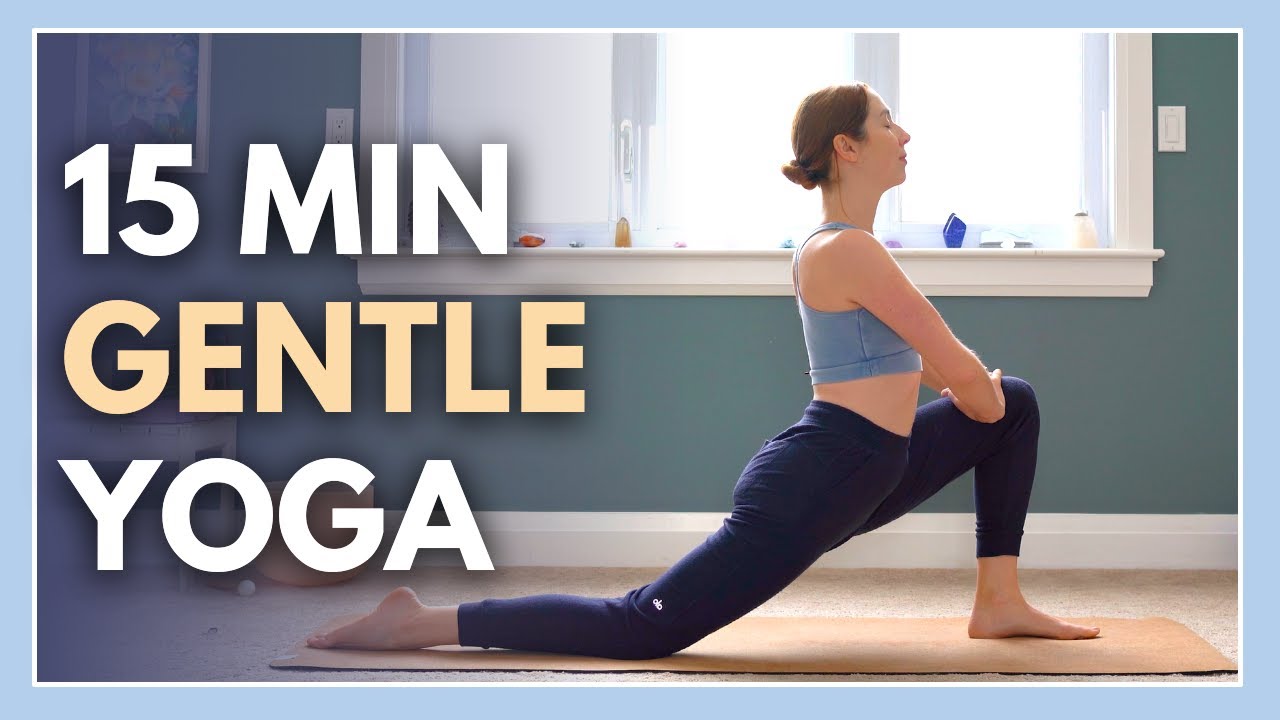
As you become more comfortable with various breathing techniques, it becomes essential to integrate them into your movement during yoga sessions. Each inhale should coincide with expansion—think of opening up during lunges or upward-facing dog—and each exhale should facilitate grounding or release—like folding forward or settling into child’s pose.
This synchronization fosters greater body awareness and allows you to tap into deeper layers of mindfulness throughout your practice.
Mindfulness Through Breath Awareness
Mindfulness is more than just a buzzword; it’s an essential state that enhances both physical movement and mental clarity in yoga practice. As you bring awareness to your breath during each session, notice how it influences your thoughts and emotions.
For instance, if you're feeling anxious before class starts, take a moment to close your eyes and focus solely on your inhalation and exhalation cycles for several minutes before diving into poses. This small act allows tension to dissipate while sharpening focus—not something usually achieved while trying to perfect a warrior three position.
The Mental Benefits of Breathwork
Prioritizing breath over postures doesn’t just affect physical health; it significantly impacts mental well-being too. Many people turn to yoga seeking relief from anxiety or stress-related disorders without realizing that effective breath control can act as an immediate remedy.
Studies suggest practices like Pranayama lead to increased production of serotonin—a neurotransmitter crucial for mood regulation—and lower cortisol levels associated with stress response. By committing time each day to breathe intentionally through exercises like Nadi Shodhana or Ujjayi breathing, many find they can navigate daily challenges more Click to find out more effectively.
Making Breathwork Part of Your Daily Life
Integrating pranayama into daily routines doesn't require hours at a yoga studio—just minutes will do! Consider setting aside five minutes each morning or evening dedicated solely to conscious breathing exercises before transitioning back into daily hustle-bustle mode.
Additionally, practicing mindful inhalation-exhalation during mundane tasks like commuting or cooking can keep stress levels down while enhancing overall productivity—who wouldn’t want that?
The Takeaway
Incorporating breath as a priority rather than an afterthought revolutionizes not only how you experience yoga but also how you approach life's challenges beyond the mat. It may take time to shift gears from focusing solely on posture perfectionism toward embracing this natural rhythm—but trust me when I say it's worth every second.
The next time you're stepping onto your mat, remember that it is not merely about executing flawless asanas but rather cultivating a deeper connection within yourself through intentional breaths—a powerful reminder that sometimes less truly is more in our transformative journey toward balance and peace.