Hormonal balance is crucial for overall health, especially for women. Among the various hormones that play significant roles in our bodies, progesterone deserves special mention. It helps regulate the menstrual cycle, supports pregnancy, and contributes to mood stability. When progesterone levels fluctuate or drop, it can lead to symptoms like PMS, mood swings, and even complications during menopause. If you're looking for natural ways to support your progesterone levels, yoga offers a holistic approach that combines physical movement with breathwork and mindfulness.
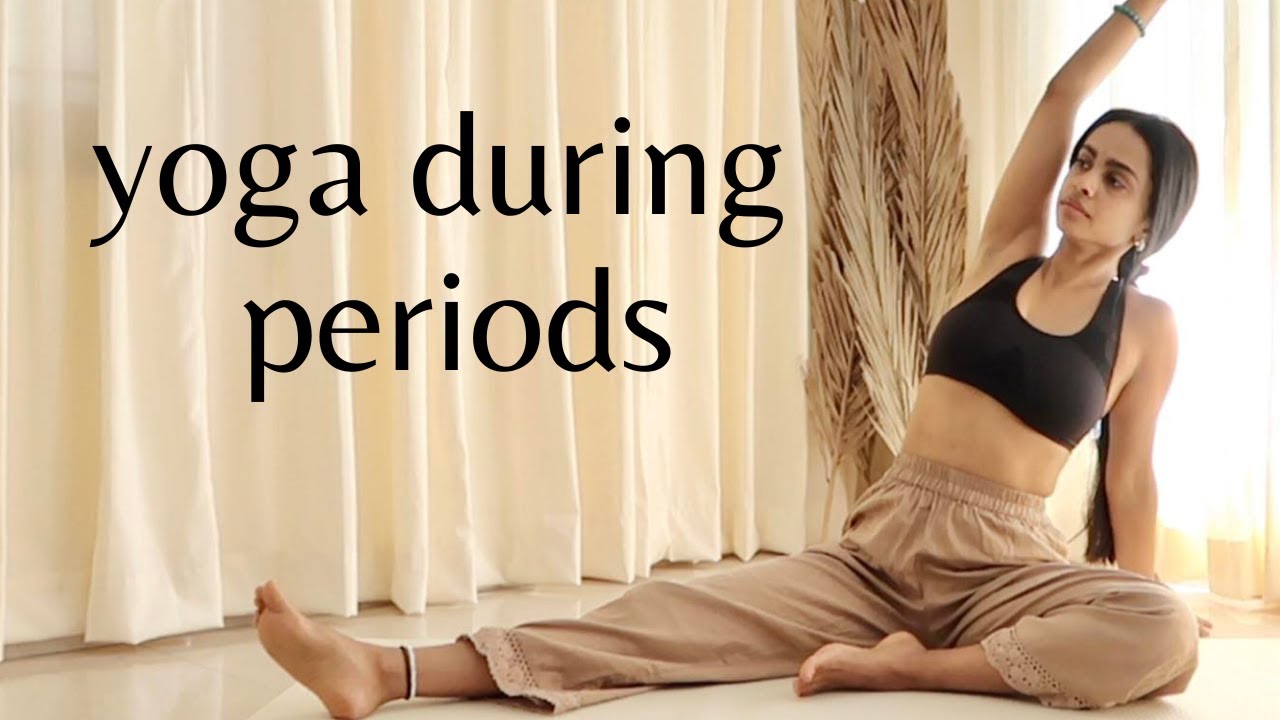
Understanding Progesterone and Its Importance
Progesterone is often referred to as the "pregnancy hormone" because of its role in preparing the uterus for implantation and maintaining early stages of pregnancy. However, its functions extend beyond reproduction. It helps regulate other hormones, particularly estrogen and cortisol. A proper balance between these hormones is essential not only for reproductive health but also for emotional well-being.
Low progesterone levels can lead to various issues such as irregular periods, anxiety, fatigue, and sleep disturbances. Managing stress is critical since elevated cortisol levels can further diminish progesterone production. Here’s where yoga comes into play.
How Yoga Supports Hormonal Balance
Yoga is not just about physical postures; it encompasses breathing techniques (pranayama), meditation, and mindfulness. These elements work together to reduce stress levels while promoting relaxation and hormonal balance. Practicing yoga regularly can help regulate the menstrual cycle by improving blood circulation and reducing tension in the body.
When focusing specifically on progesterone support, certain yoga poses are particularly effective. These poses work on stimulating the reproductive organs while enhancing overall vitality.
Key Yoga Poses for Supporting Progesterone Levels
Child’s Pose (Balasana)
This restorative pose calms the mind and relieves stress by gently stretching the back muscles. By promoting relaxation through deep breathing, Child’s Pose can help lower cortisol levels.
Bridge Pose (Setu Bandhasana)
This pose opens up the hips and stimulates blood flow to the pelvic region. It also helps strengthen the lower back while encouraging emotional release.
Cobra Pose (Bhujangasana)
Cobra helps open up the chest while stretching the abdomen, stimulating hormone-producing glands like the thyroid and adrenal glands which are crucial for hormonal balance.
Legs-Up-the-Wall Pose (Viparita Karani)
This gentle inversion promotes relaxation and reduces anxiety while improving circulation in the pelvic area.
Reclining Bound Angle Pose (Supta Baddha Konasana)
Known for its calming effects on both body and mind, this pose encourages deep relaxation while opening up spaces in the hips where stress often accumulates.
These poses can be incorporated into your regular yoga practice or performed as a standalone routine aimed at supporting hormonal health.
The Role of Breathwork
In addition to physical postures, breathwork plays a pivotal role in balancing hormones like progesterone. Pranayama techniques such as Nadi Shodhana (alternate nostril breathing) help calm the nervous system while balancing energy channels throughout your body.
Focusing on long, deep breaths during your practice allows you to tap into your parasympathetic nervous system — often referred to as your "rest-and-digest" mode — which counteracts stress responses that could otherwise inhibit hormone production.
Creating a Balanced Routine
Incorporating these yoga techniques doesn't require hours of commitment each day. A simple routine of 15-30 minutes can make a significant difference over time:
- Morning Practice: Begin your day with poses like Bridge or Cobra to energize your body while setting positive intentions. Evening Routine: Wind down with restorative poses such as Legs-Up-the-Wall or Child’s Pose before bedtime to encourage relaxation and better sleep quality.
It’s essential to listen to your body throughout this process; flexibility may vary from day to day based Get more info on how you feel physically or emotionally.
Mindfulness Matters
Adopting an attitude of mindfulness during your practice enhances its benefits significantly. Focus on how each pose feels in your body rather than striving for perfection in alignment or depth of stretch. Being present allows you to cultivate awareness about how stress manifests in your life — whether it's tightness in certain areas or racing thoughts — giving you insights into what aspects need more attention.
Gentle Yoga for Beginners
If you're new to yoga or have concerns about flexibility due to tight muscles or stiffness, don’t worry! Many beginner-friendly routines exist that cater specifically to individuals who may not feel comfortable contorting their bodies into complex shapes right away.
Start with gentle movements that promote mobility rather than forcing yourself into advanced postures too quickly; this approach ensures safety while building confidence over time. Consider joining classes specifically designed for beginners or using online resources tailored toward those who may struggle with flexibility yet still want support from yoga's many benefits.
Final Thoughts
Supporting progesterone levels naturally through yoga provides an empowering pathway toward greater hormonal balance without relying solely on supplements or medications. By integrating mindful movement into daily routines alongside breath awareness practices, you create fertile ground for overall well-being — physically and emotionally.
Remember that consistency is key when working toward hormonal health; small yet meaningful changes accumulate over time leading towards profound transformations in how you feel mentally and physically each day!